
Employment Verification
-
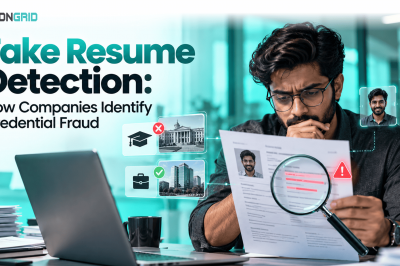
Fake Resume Detection: How Companies Identify Credential Fraud
A candidate may perform exceptionally well in an interview, communicate confidently and have an impressive resume. But what happens when the degree they mention cannot be verified, their employment dates do not match company records, or their previous designation turns out to be different from the one they claimed? For HR teams, these discrepancies are…
-
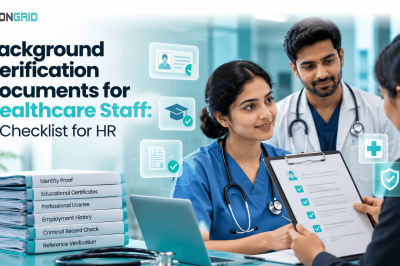
Background Verification Documents for Healthcare Staff: A Checklist for HR
Hiring in healthcare comes with a different level of responsibility. A wrong hiring decision doesn’t just affect productivity or compliance; in clinical roles, it can potentially affect patient safety. That makes background verification more than a routine HR formality. For hospitals, diagnostic centres, clinics and healthcare chains, the real challenge isn’t collecting a stack of…
-
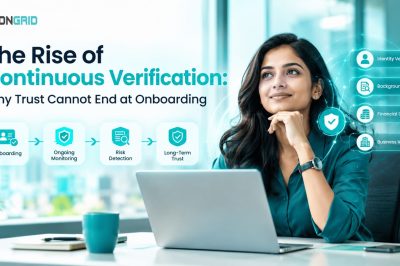
The Rise of Continuous Verification: Why Trust Cannot End at Onboarding
Short answer: Continuous verification means re-validating a person’s identity and risk-relevant details at defined points during their engagement with you, instead of once at hiring. The rise of continuous verification comes from a simple fact: a background check describes someone on one particular day. Roles change, people move, regulators ask harder questions and fraud methods…
-
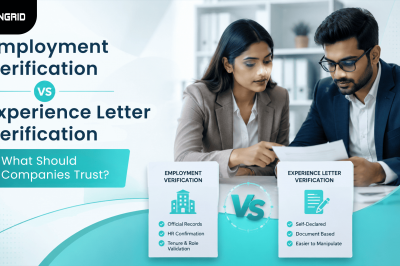
Employment Verification vs Experience Letter Verification: What Should Companies Trust?
Recruiters often receive an experience letter as proof of a candidate’s previous employment. For many organizations, this document has traditionally been considered sufficient evidence that a candidate worked for a particular employer. But in today’s hiring landscape, where resume fraud and document manipulation have become growing concerns, relying solely on an experience letter may not…
-
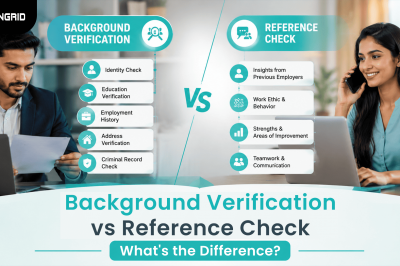
7 Signs a Candidate May Be Misrepresenting Their Experience
-
AI Can Write the Resume. Can It Fake the Employee?
Artificial intelligence has quietly become part of almost every hiring journey. Candidates use AI to improve resumes, draft cover letters, prepare for interviews, and even optimise their LinkedIn profiles. Recruiters, on the other hand, rely on AI to source talent, screen applications, and automate repetitive hiring tasks. Used responsibly, these tools make recruitment faster and…
-
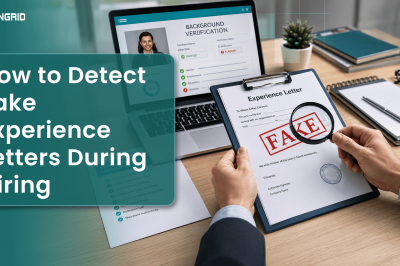
How to Detect Fake Experience Letters During Hiring
Hiring decisions are built on trust. A resume tells one part of the story, interviews reveal another, but experience letters often become the document that validates a candidate’s professional journey. The problem is that this trust is increasingly being exploited. Across industries in India, HR teams are encountering candidates who submit fabricated or manipulated experience…
-
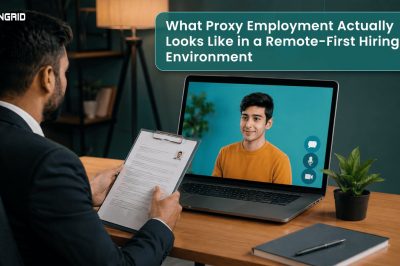
The Growing Risk of Proxy Employment in Remote Hiring
-
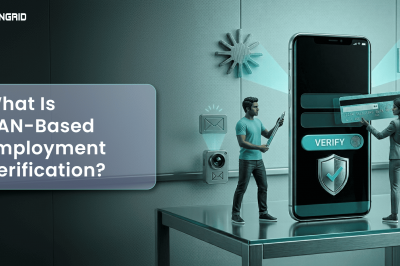
What Is UAN-Based Employment Verification?
There’s a pattern that plays out in hiring teams across India, more often than anyone wants to admit. A candidate comes in looking great on paper. Six years of experience, two solid companies, a title that fits the role perfectly. You send verification requests to both employers. One comes back incomplete. The other doesn’t come…
-
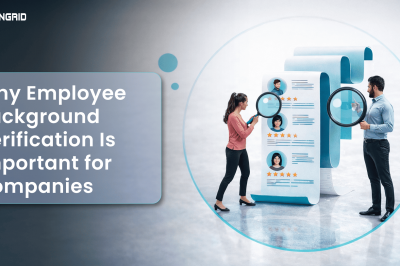
Why Employee Background Verification Is Important for Companies
Hiring has always been about trust. But in today’s hiring landscape, that trust is increasingly fragile. A recent survey found that 86% of Indian employers have encountered discrepancies during background screening. That single number quietly explains why the conversation around the employee background verification importance has shifted so dramatically in the past few years. Not very long…
Recent Posts
- Background Verification for Healthcare Hiring: 7 Checks That Go Beyond Certificates

- Fake Resume Detection: How Companies Identify Credential Fraud
- Criminal Record Check in India: What Employers Need to Know

- Background Verification Documents for Healthcare Staff: A Checklist for HR

- Handling Candidate Disputes During BGV: A Practical Guide for HR Teams
Categories
- Accountability 3
- Address verification 4
- Background verification 126
- BFSI 2
- Case Study 5
- Criminal Verification 19
- Drug test 2
- Due Diligence 34
- Education Verification 10
- eLockr 9
- Employment Verification 30
- Gridlines 4
- HR 2.0 64
- Identity Verification 36
- Industry 4.0 27
- OnGrid 74
- Uncategorized 6
Tags
#AadhaarVerification #BackgroundChecks #Background Verification #BGV #LocalAddressVerification #PoliceVerification #Trust Background check Background Verification background verification process in india bgv BGV in India business due diligence Compliance credit check Digital Identity Digital Onboarding Employee Screening Fraud Prevention Gig Economy hiring compliance HR 2.0 HR Best Practices HR Tech identity verification OnGrid physical due diligence Remote Onboarding vendor due diligence Verification