
Background verification
-
Handling Candidate Disputes During BGV: A Practical Guide for HR Teams
Most HR teams treat a candidate dispute as a problem the candidate has created. Someone says the report is wrong, the recruiter groans, and the file goes into a pile marked “difficult.” I want to suggest a different way to look at it. A dispute is the only moment in the whole hiring process when…
-

What Does a Truly Enterprise-Ready Background Verification Platform Look Like?
For a small hiring team, background verification can seem straightforward. Send candidate details, initiate a few checks, receive a report and move ahead with onboarding. At enterprise scale, it is rarely that simple. When an organisation is hiring hundreds or thousands of employees across locations, roles and business units, background verification becomes part of the…
-
Background Verification for BFSI Hiring: Checks, Risks & Compliance Requirements
Hiring in banking, financial services and insurance is different from hiring for many other industries. A candidate may not just be handling internal documents or company equipment. Depending on the role, they could have access to customer information, financial records, lending systems, payment infrastructure, transaction data, sensitive documents or systems that can directly affect customers.…
-
Why One Verification Check Can Never Tell the Full Risk Story
A candidate’s identity is verified. The name matches. The document is genuine. The check comes back clear. For an HR team, that sounds reassuring. But what does it actually tell you? It tells you that the person’s identity could be established. It does not tell you whether the employment history on the resume is accurate,…
-

Top 5 NSR Empanelled BGV Companies in India
When a company hires for a technology, consulting, BFSI, or other knowledge-intensive role, a conventional background check is only one part of the trust equation. For organizations that use the National Skills Registry (NSR), the verification process has another important layer: ensuring that information submitted by professionals on their NSR profiles is independently verified. This…
-

Top 10 Background Verification Mistakes Companies Make During Hiring
At 10:15 on a Monday morning, the HR team at a growing financial services company received an unexpected call. A client wanted to know why one of their newly onboarded employees had submitted inconsistent professional credentials during a compliance review. The employee had been hired six months earlier. The interviews had gone well. References were…
-
How Long Does Background Verification Take in India? Factors That Impact BGV Turnaround Time
For HR teams, background verification often sits between two competing priorities. The organisation wants to make a confident hiring decision, but the candidate and hiring manager are usually waiting for the process to finish. This leads to one of the most common questions recruiters ask: How long does background verification take in India? There is…
-
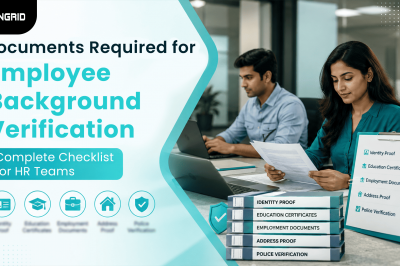
Documents Required for Background Verification: Complete Checklist for HR Teams
Hiring a candidate based on a strong interview is only one part of the recruitment process. Before an employee joins, HR teams also need to establish whether the information shared during recruitment is accurate and whether the candidate meets the organisation’s verification requirements. This is where employee background verification, or BGV, comes in. One of…
-
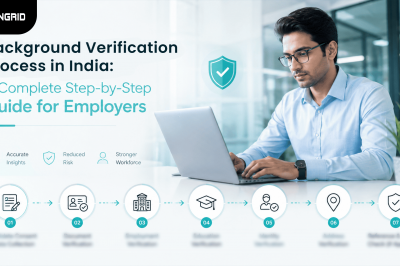
Background Verification Process in India: A Complete Step-by-Step Guide for Employers
Hiring someone is an investment. Before an employee joins, an organisation needs confidence that the information shared during recruitment is genuine and that there are no obvious risks that could have been identified through reasonable screening. That is where the Background Verification Process in India becomes important. Background verification, or BGV, helps employers validate information…
-
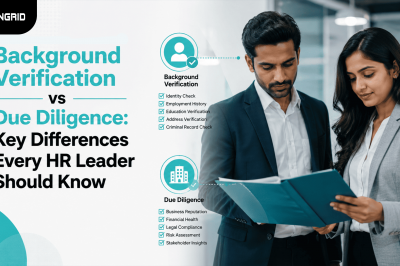
Background Verification vs Due Diligence: Key Differences Every HR Leader Should Know
Hiring the right person is not just about evaluating skills, experience and cultural fit. For organisations operating at scale, there is another question that matters just as much: Can we trust the information provided by the candidate, and have we done enough to understand the risks associated with hiring them? This is where background verification…
Recent Posts
- Criminal Record Check in India: What Employers Need to Know

- Background Verification Documents for Healthcare Staff: A Checklist for HR

- Handling Candidate Disputes During BGV: A Practical Guide for HR Teams
- The Hidden Risk of Fragmented Verification in Modern BGV

- Education Verification in BGV: Process, Challenges and Best Practices

Categories
- Accountability 3
- Address verification 4
- Background verification 125
- BFSI 2
- Case Study 5
- Criminal Verification 19
- Drug test 2
- Due Diligence 34
- Education Verification 9
- eLockr 9
- Employment Verification 29
- Gridlines 4
- HR 2.0 64
- Identity Verification 36
- Industry 4.0 27
- OnGrid 74
- Uncategorized 6
Tags
#AadhaarVerification #BackgroundChecks #Background Verification #BGV #LocalAddressVerification #PoliceVerification #Trust Background check Background Verification background verification process in india bgv BGV in India business due diligence Compliance credit check Digital Identity Digital Onboarding Employee Screening Fraud Prevention Gig Economy hiring compliance HR 2.0 HR Best Practices HR Tech identity verification OnGrid physical due diligence Remote Onboarding vendor due diligence Verification