
-
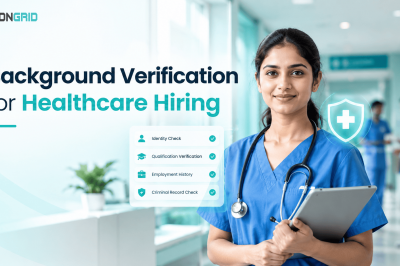
Background Verification for Healthcare Hiring: 7 Checks That Go Beyond Certificates
A candidate has a nursing degree, a valid-looking registration certificate and three years of experience at a reputed hospital. On paper, everything checks out. But has anyone verified whether the qualification was actually awarded, the registration is valid, and the candidate performed the role they claim? For healthcare organisations, this is where hiring gets complicated.…
-
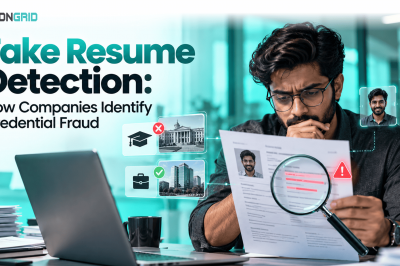
Fake Resume Detection: How Companies Identify Credential Fraud
A candidate may perform exceptionally well in an interview, communicate confidently and have an impressive resume. But what happens when the degree they mention cannot be verified, their employment dates do not match company records, or their previous designation turns out to be different from the one they claimed? For HR teams, these discrepancies are…
-
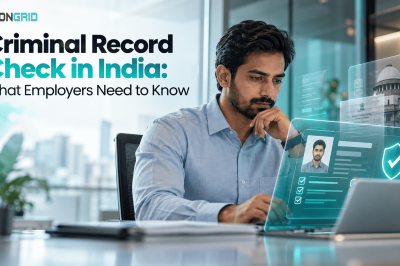
Criminal Record Check in India: What Employers Need to Know
Meera ran HR at a mid-sized logistics company in Pune. In March, she hired a warehouse supervisor with a strong resume, a confident interview and glowing references. His documents looked clean. Her team had checked his Aadhaar and PAN, called his last employer, and sent him an offer letter within a week, because the client…
-

Background Verification Documents for Healthcare Staff: A Checklist for HR
Hiring in healthcare comes with a different level of responsibility. A wrong hiring decision doesn’t just affect productivity or compliance; in clinical roles, it can potentially affect patient safety. That makes background verification more than a routine HR formality. For hospitals, diagnostic centres, clinics and healthcare chains, the real challenge isn’t collecting a stack of…
-
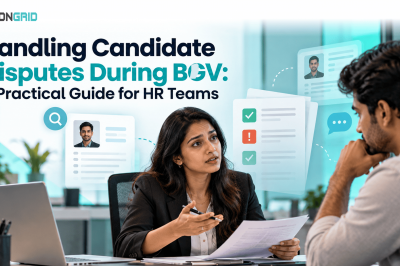
Handling Candidate Disputes During BGV: A Practical Guide for HR Teams
Most HR teams treat a candidate dispute as a problem the candidate has created. Someone says the report is wrong, the recruiter groans, and the file goes into a pile marked “difficult.” I want to suggest a different way to look at it. A dispute is the only moment in the whole hiring process when…
-
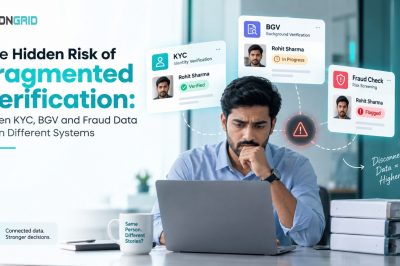
The Hidden Risk of Fragmented Verification in Modern BGV
A candidate clears identity verification. Their education check comes back separately. Employment records are verified through another workflow, while court-record or fraud-related checks may sit in a different system. For an HR team managing hundreds or thousands of hires, this may look like a normal background verification process. But there is a problem: the information…
-

Education Verification in BGV: Process, Challenges and Best Practices
A candidate’s educational qualification can influence hiring decisions, role eligibility, compensation, and even regulatory compliance. Yet, education is also one of the areas where discrepancies can be difficult to spot from a resume alone. A degree may be genuine but the institution details may be incorrect. A candidate may have attended a college but not…
-

What Does a Truly Enterprise-Ready Background Verification Platform Look Like?
For a small hiring team, background verification can seem straightforward. Send candidate details, initiate a few checks, receive a report and move ahead with onboarding. At enterprise scale, it is rarely that simple. When an organisation is hiring hundreds or thousands of employees across locations, roles and business units, background verification becomes part of the…
-

Why Businesses Are Moving From Verification Tools to Verification Infrastructure
For a long time, verification was treated as a point solution. A company needed to verify an employee, so it bought a background verification tool. A fintech needed to verify a customer, so it integrated a KYC API. A lender needed an address check, so it added another verification provider. Each tool solved a specific…
-
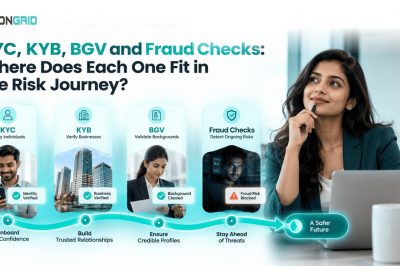
KYC, KYB, BGV and Fraud Checks: Where Does Each One Fit in the Risk Journey?
When a bank onboards a customer, a fintech verifies a merchant, or a company hires a new employee, they are all making a decision based on trust. Is this person who they say they are? Is this business genuine? Is the information provided during hiring accurate? Is there anything unusual that could indicate fraud? These…