
Background verification
-
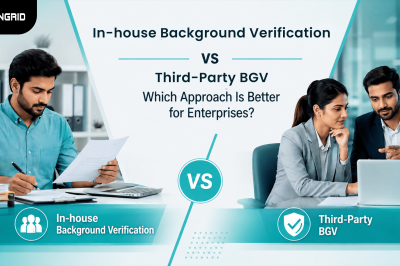
In-house Background Verification vs Third-Party BGV: Which Approach Is Better for Enterprises?
Background verification is no longer just an HR formality that happens after a candidate accepts a job offer. For enterprises hiring hundreds or thousands of employees every year, it has become an important part of risk management, compliance and workforce integrity. As hiring volumes increase, organisations often face a strategic question: should background verification be…
-
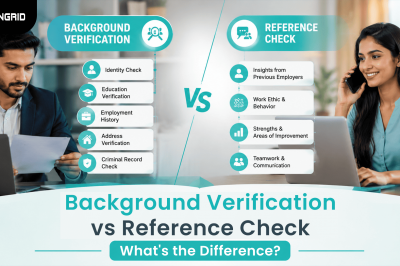
Background Verification vs Reference Check: What’s the Difference?
Hiring the right talent requires more than reviewing resumes and conducting interviews. Recruiters must also validate the information candidates provide before making an offer. Yet, many organizations continue to use the terms background verification and reference check interchangeably, assuming they serve the same purpose. They don’t. While both are important components of the hiring process,…
-

9 Ways to Improve Hiring Quality Through Verification
Hiring the right people has never been more challenging. While resumes, interviews, and skill assessments help evaluate a candidate’s capabilities, they don’t always provide complete confidence in the hiring decision. Inaccurate employment details, unverifiable qualifications, identity fraud, or omitted information can lead to poor hiring outcomes that impact productivity, workplace culture, compliance, and business performance.…
-
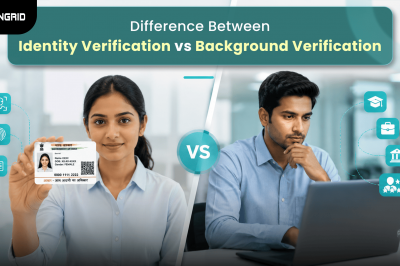
Difference Between Identity Verification and Background Verification
Trust is the foundation of every hiring decision. But in today’s digital-first hiring environment, trust alone isn’t enough. Recruiters are increasingly hiring candidates they’ve never met in person. Businesses are onboarding gig workers across cities, engaging remote employees, verifying contractors, and partnering with vendors through entirely digital workflows. While technology has made hiring faster, it…
-

Verification Challenges in Blue-Collar Hiring at Scale
India’s blue-collar workforce is the backbone of industries such as logistics, manufacturing, retail, e-commerce, hospitality, construction, healthcare, security services, and facility management. As businesses continue to expand into new cities and scale their operations, hiring thousands of frontline workers has become a business necessity rather than an HR function. However, hiring at scale brings its…
-
How to Reduce Hiring Fraud Using Background Verification
Hiring today is faster, more digital, and more competitive than ever before. While this has helped organizations access a wider talent pool, it has also created new opportunities for hiring fraud. Recruiters are no longer dealing only with exaggerated resumes. Fake experience letters, forged educational certificates, identity impersonation, and undisclosed criminal records have become genuine…
-
Background Verification for Contractual Employees in India
Organizations across India are increasingly relying on contractual employees to meet business demands. Whether it’s manufacturing, logistics, retail, healthcare, BFSI, IT services, or e-commerce, contract workers now form a significant part of the workforce. They help companies scale quickly, reduce fixed employment costs, and access specialized skills without long-term commitments. However, while hiring models have…
-

The BGV SLA Problem in RPO: Why Turnaround Time Kills Client Relationships
In the recruitment process outsourcing, speed is never just about speed. It is about trust. Clients partner with RPO firms because they need hiring at scale, faster execution, and predictable outcomes. They expect recruitment partners to operate as an extension of their internal talent acquisition teams—not as external vendors creating operational friction. That expectation creates…
-
The 48-Hour Joining Window: What Happens When BGV Is Still Pending
There’s a particular kind of tension that shows up in every HR team’s week — the candidate has signed the offer, their start date is two days away, and the background verification report is still sitting at “in progress.” No red flags yet. No green flags either. Just silence, and a clock ticking down. This…
-
Why Pre-Offer BGV Matters in High-Volume BFSI Hiring
Recent Posts
- Criminal Record Check in India: What Employers Need to Know

- Background Verification Documents for Healthcare Staff: A Checklist for HR

- Handling Candidate Disputes During BGV: A Practical Guide for HR Teams
- The Hidden Risk of Fragmented Verification in Modern BGV

- Education Verification in BGV: Process, Challenges and Best Practices

Categories
- Accountability 3
- Address verification 4
- Background verification 125
- BFSI 2
- Case Study 5
- Criminal Verification 19
- Drug test 2
- Due Diligence 34
- Education Verification 9
- eLockr 9
- Employment Verification 29
- Gridlines 4
- HR 2.0 64
- Identity Verification 36
- Industry 4.0 27
- OnGrid 74
- Uncategorized 6
Tags
#AadhaarVerification #BackgroundChecks #Background Verification #BGV #LocalAddressVerification #PoliceVerification #Trust Background check Background Verification background verification process in india bgv BGV in India business due diligence Compliance credit check Digital Identity Digital Onboarding Employee Screening Fraud Prevention Gig Economy hiring compliance HR 2.0 HR Best Practices HR Tech identity verification OnGrid physical due diligence Remote Onboarding vendor due diligence Verification