




-
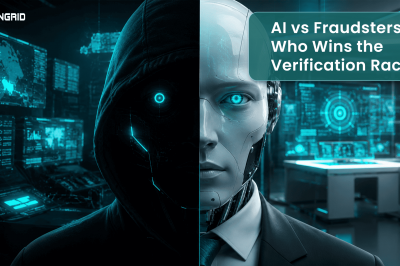
AI vs Fraudsters: Who Wins the Verification Race?
Fraud has always evolved with technology. When businesses shifted online, fraudsters moved online too. Today, with artificial intelligence becoming widely accessible, the game has changed once again. Fake identities, synthetic documents, deepfake videos, voice cloning, and automated phishing attacks are no longer futuristic threats—they’re part of everyday business risk. The question is no longer whether…
-
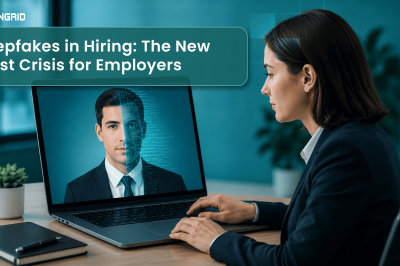
Deepfakes in Hiring: The New Trust Crisis for Employers
Recruitment has become faster, more digital, and increasingly remote. Video interviews, virtual onboarding, digital document verification, and work-from-home hiring have made talent acquisition more efficient than ever. But the same digital transformation has also created a new challenge that many employers are only beginning to understand—deepfakes in hiring. What was once considered a cybersecurity threat…
-
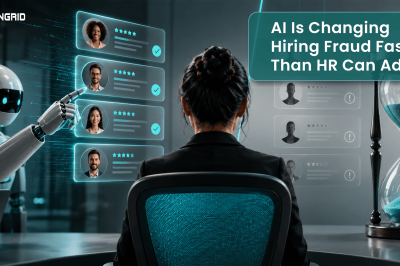
AI Is Changing Hiring Fraud Faster Than HR Can Adapt
Artificial intelligence has transformed recruitment in remarkable ways. Recruiters can source candidates faster, automate resume screening, schedule interviews, and even generate interview summaries within minutes. For HR teams under constant pressure to hire quickly, these innovations have become indispensable. But there is another side to this story that deserves equal attention. The same AI tools…
-
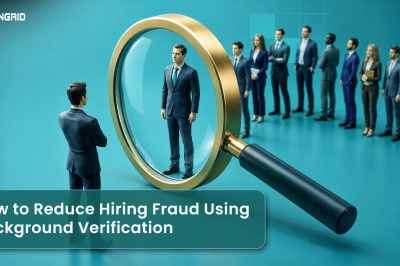
How to Reduce Hiring Fraud Using Background Verification
Hiring today is faster, more digital, and more competitive than ever before. While this has helped organizations access a wider talent pool, it has also created new opportunities for hiring fraud. Recruiters are no longer dealing only with exaggerated resumes. Fake experience letters, forged educational certificates, identity impersonation, and undisclosed criminal records have become genuine…
-

Police Verification vs Criminal Background Check Explained
When hiring new employees, many organizations assume that police verification and criminal background checks are interchangeable. The terms are often used together in conversations, vendor discussions, and even recruitment policies. However, they are not the same. Understanding the distinction is important because choosing the wrong verification method can either leave security gaps or unnecessarily delay…
-
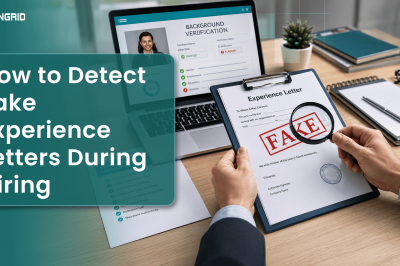
How to Detect Fake Experience Letters During Hiring
Hiring decisions are built on trust. A resume tells one part of the story, interviews reveal another, but experience letters often become the document that validates a candidate’s professional journey. The problem is that this trust is increasingly being exploited. Across industries in India, HR teams are encountering candidates who submit fabricated or manipulated experience…
-
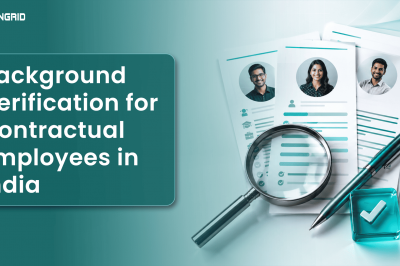
Background Verification for Contractual Employees in India
Organizations across India are increasingly relying on contractual employees to meet business demands. Whether it’s manufacturing, logistics, retail, healthcare, BFSI, IT services, or e-commerce, contract workers now form a significant part of the workforce. They help companies scale quickly, reduce fixed employment costs, and access specialized skills without long-term commitments. However, while hiring models have…
-
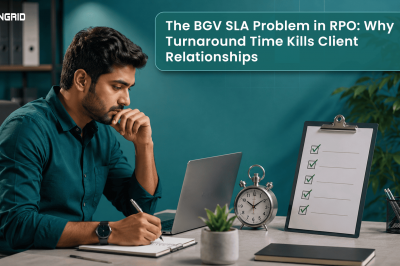
The BGV SLA Problem in RPO: Why Turnaround Time Kills Client Relationships
In the recruitment process outsourcing, speed is never just about speed. It is about trust. Clients partner with RPO firms because they need hiring at scale, faster execution, and predictable outcomes. They expect recruitment partners to operate as an extension of their internal talent acquisition teams—not as external vendors creating operational friction. That expectation creates…
-

OnGrid Acquires Ancora Technologies to Expand BFSI Stack
-
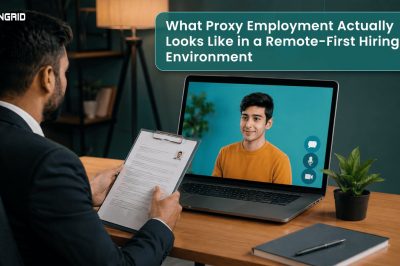
The Growing Risk of Proxy Employment in Remote Hiring