
Table of Contents
ToggleOver the last year, something subtle has started to shift.
You see it on the roads. In conversations. Even online. People are no longer just ignoring litter—they’re reacting to it. Calling it out. Questioning basic civic sense. And, in some cases, stepping in to fix it themselves.
There’s also a growing discomfort with how India is being talked about online. Not in an overly defensive way, but in a “this shouldn’t be true anymore” way. That discomfort seems to be pushing people from passive agreement to small, visible action.
That’s why 2026 feels like it could matter for Swachh Bharat—not because of a new announcement, but because behaviour on the ground feels different.
A Small Step by the OnGrid Team
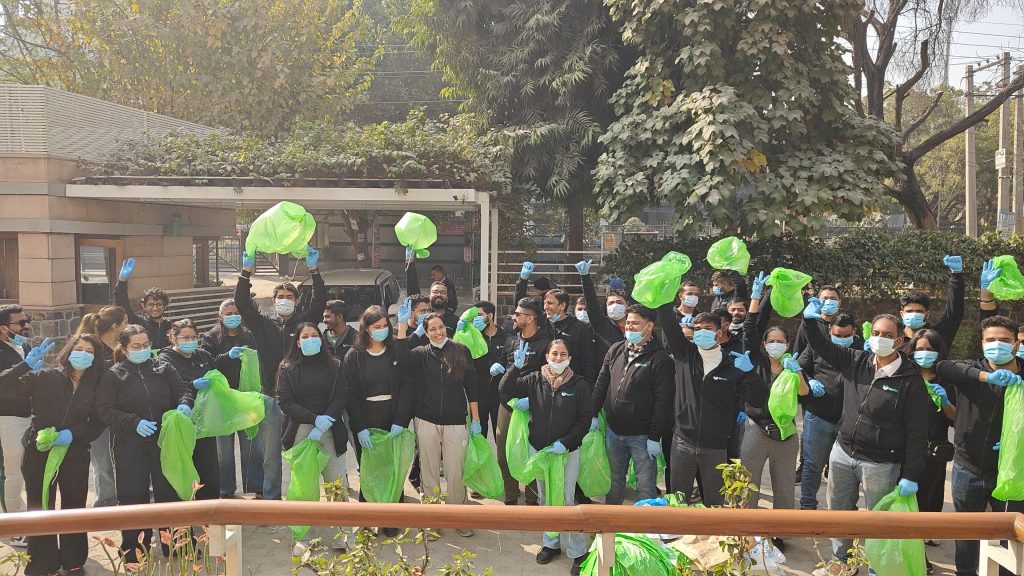
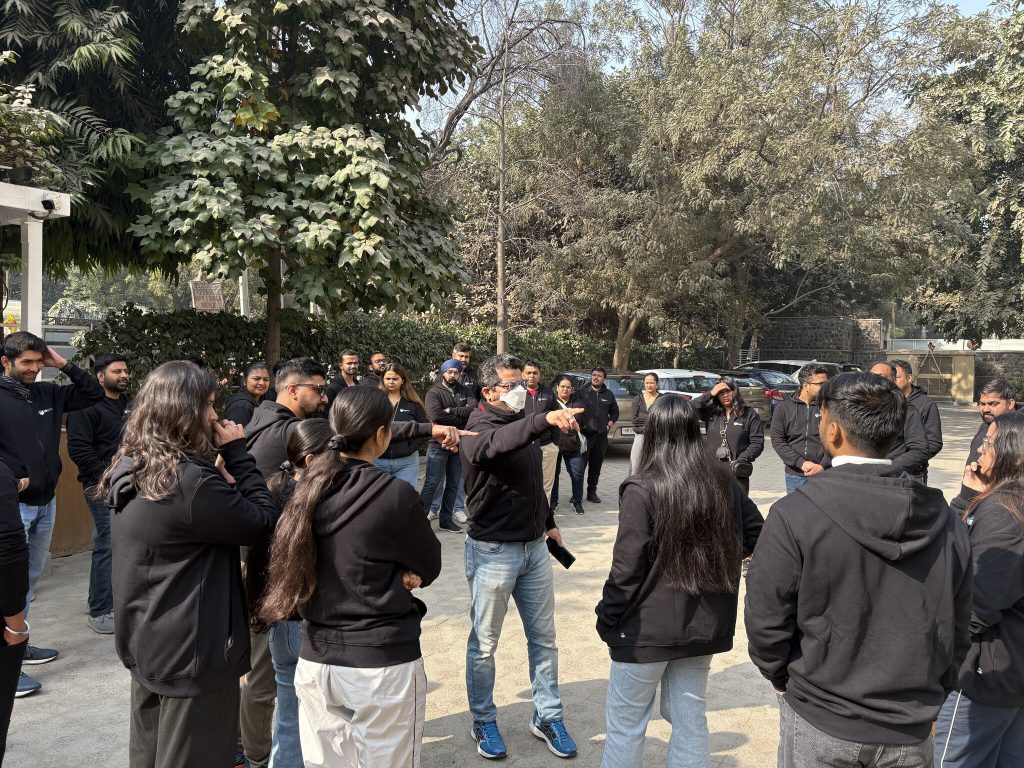
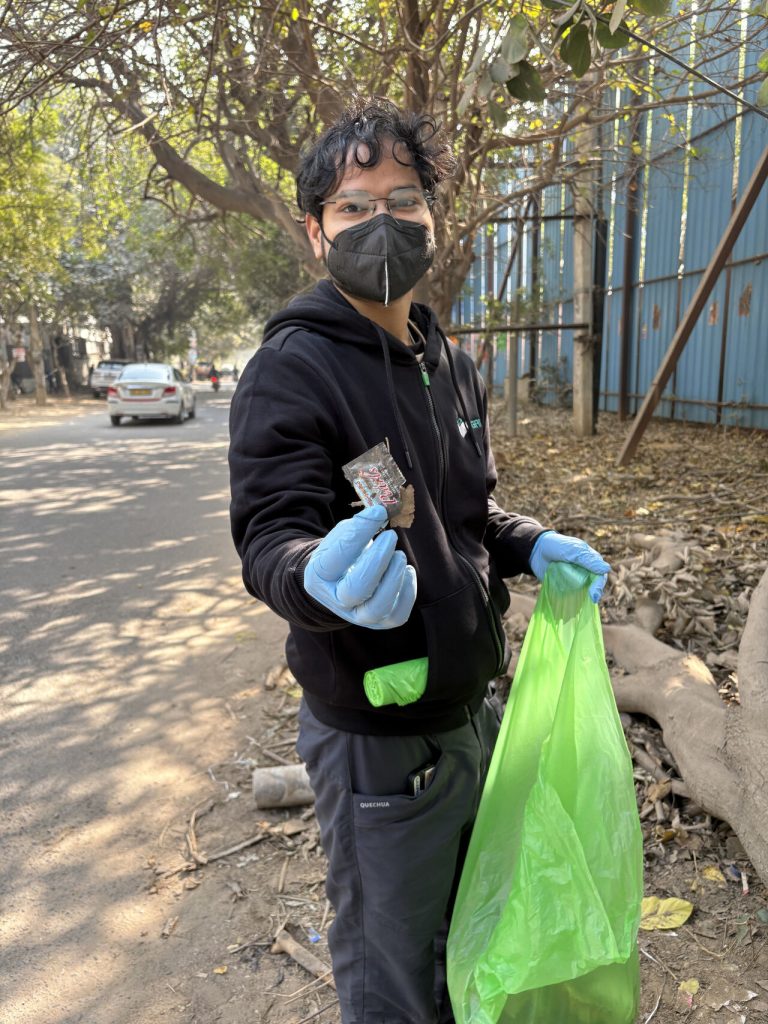
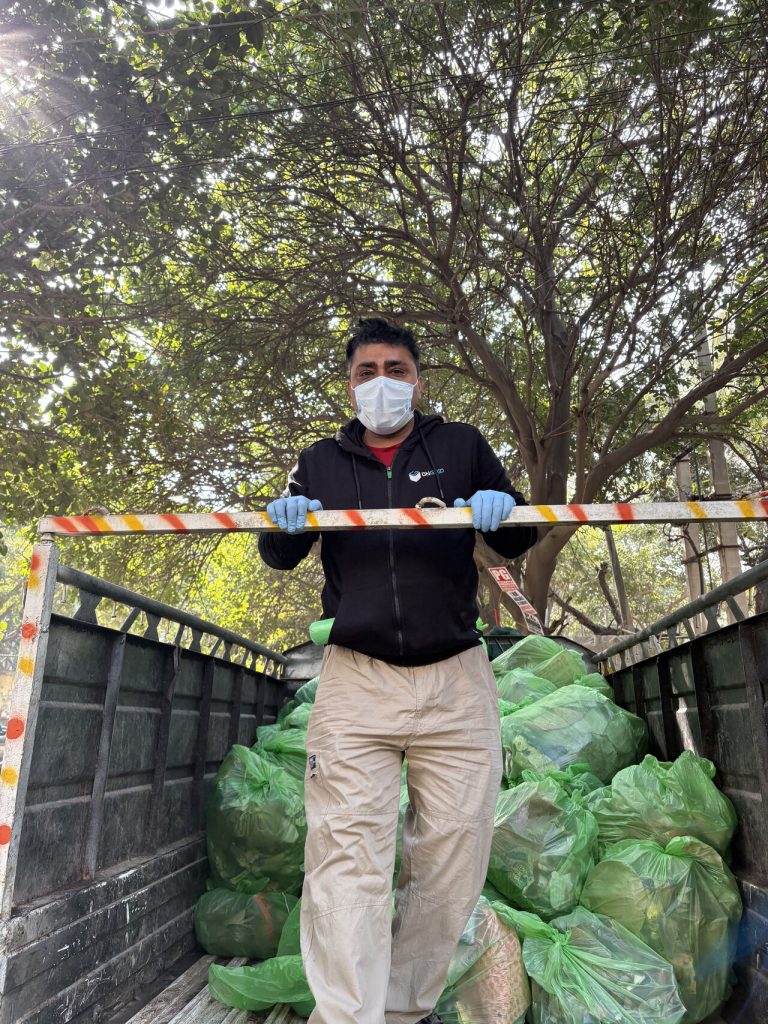
This weekend, the OnGrid team stepped out to clean a few streets near our office.
There was no event planned around it. No banners, no speeches, no social media countdowns. Just a group of people coming together, picking up litter, clearing the area, and leaving it cleaner than it was.
Some of us had never done something like this before. Some were unsure how people around would react. A few passersby looked surprised. A couple asked what we were doing. Others just nodded and moved on.
And that was fine.
The goal wasn’t to make a statement. It was simply to show up, do the work, and leave the place better than we found it.
Why Small, Visible Acts Matter
What stood out during the clean-up wasn’t the amount of garbage collected. It was the feeling among volunteers once it was done.
There was a quiet sense of satisfaction. Not the loud, celebratory kind—but the kind that comes from doing something useful without expecting anything in return.
These kinds of actions may seem insignificant in isolation. But when they’re visible and repeated, they start to influence behaviour. People notice. They think twice before littering in a space they’ve seen being cared for. They realise cleanliness isn’t just a government responsibility—it’s a shared one.
That’s how habits change. Not through instructions, but through example.
A Broader Shift We’re Seeing
The OnGrid clean-up wasn’t happening in isolation. Similar efforts are showing up in different forms across cities:
Residents organising weekend clean-ups
Citizens calling out littering in public spaces
Volunteers taking responsibility for areas they don’t “own”
At the same time, tolerance for careless behaviour is dropping. Littering is being questioned more openly. Shrugging it off is becoming less acceptable.
This doesn’t mean everything has changed overnight. Streets aren’t suddenly spotless. Systems still have gaps. But the mindset is shifting—and that’s where lasting change begins.
No Grand Claims, Just Consistency
What this weekend reinforced for us at OnGrid is simple: meaningful change doesn’t need grand gestures.
It needs consistency.
A few people show up regularly.
Doing the work without turning it into a spectacle.
Setting a quiet example others can follow.
If more teams, neighbourhoods, and organisations adopt this approach—small, honest, and visible—cleanliness stops being a campaign and starts becoming a habit.
Looking Ahead
2026 may or may not be remembered as a milestone year in official timelines. But on the ground, it already feels like something is moving.
People are less indifferent. More involved. More willing to take responsibility for shared spaces.
The OnGrid team’s clean-up drive was a small contribution to that larger shift. Nothing more, nothing less.
And sometimes, that’s exactly what progress looks like—ordinary people doing small things, consistently, and leaving things just a little better than they found them.






Leave a Reply