
Table of Contents
ToggleA few years ago, HR leaders were concerned about employee engagement, retention, and compliance. Those concerns still exist, but they’ve now been joined by three strange-sounding, but very real, threats: ghosting, moonlighting, and FOMO. What’s more, these aren’t just workplace buzzwords. They’re becoming symptoms of a deeper shift in how people work and what they expect from their jobs.
Let’s break down these rising risks and why they matter to HR teams today.
Read More: 141 Jobs in 7 Years: The Moonlighting Case That Shocked Us All
1. Ghosting: Not Just for Dating Apps
It used to be that candidates who went through interviews at least had the courtesy to say no or withdraw. Today, “ghosting” has become alarmingly common. Candidates vanish mid-process. New joinees don’t show up on Day 1. Even employees leave without notice.
And this isn’t just happening at the entry level. Reports have shown ghosting trends across roles and industries. For HR, the cost is significant. Lost time, disrupted plans, wasted resources, and reputational damage to employer brands.
Why is this happening? There’s no single reason, but it’s often a combination of:
Better offers elsewhere
Lack of transparency in hiring communication
Poor onboarding experience
Minimal emotional commitment to the employer
Ghosting is a signal that employees no longer see the traditional employer-employee bond as sacred. It’s transactional, and if something better comes along, they’re gone.
2. Moonlighting: More Than a Side Hustle
Moonlighting hit headlines in 2022 when IT companies discovered employees working for competitors during their notice periods or even while being fully employed.
For some, moonlighting is about passion projects and earning extra income. For others, it’s a secret job on the side that violates contracts and creates conflicts of interest.
From an HR and compliance perspective, moonlighting is a tricky problem:
Contracts rarely anticipate the current gig economy
Policing dual employment is hard without constant monitoring
Cultural shifts toward side hustles make enforcement even more unpopular
Some startups even encourage side projects as long as they’re transparent. But for most companies, moonlighting, especially in sensitive roles, can result in IP theft, data privacy breaches, or sheer burnout.
3. FOMO: The Invisible Risk Factor
FOMO, or fear of missing out, might sound harmless, but in today’s high-stimulation work culture, it has real consequences. The fear of falling behind peers drives overworking, impulsive job switches, and anxiety-fueled career decisions.
An employee might join your company just because their friend did. Or leave your company because a LinkedIn post made them feel like they’re not growing fast enough. It’s not rational, but it’s real.
FOMO is especially amplified among younger talent who are navigating a noisy world of job offers, upskilling courses, and Insta-ready career announcements. For HR, this creates:
Increased attrition
Overstretched learning & development programs
Higher pressure to offer non-linear growth opportunities
What Can HR Teams Do?
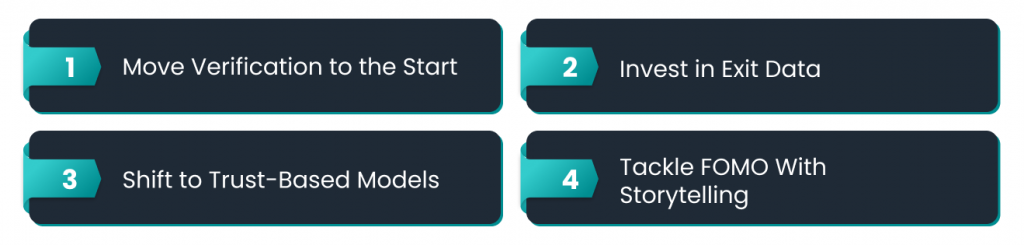
These aren’t problems that traditional HR playbooks can solve. A shift is needed in how we understand risk in people operations.
Here are a few ways to approach this:
1. Move Verification to the Start
Rethink background checks. Traditional verification happens post-offer or post-joining. That’s too late. Solutions like instant BGV allow HR to scan and verify candidate red flags before investing further. If a candidate has a history of ghosting, forged employment records, or dual employment, better to know early.
2. Invest in Exit Data
Every exit is a chance to learn. Use anonymous surveys, platforms like eLockr, and pulse feedback to capture the real reasons people leave. Ghosting doesn’t always come from bad behavior, it sometimes stems from unspoken dissatisfaction.
3. Shift to Trust-Based Models
Instead of micromanaging side hustles, create policies that allow for transparency. Make it clear what kind of moonlighting is permitted, and how employees can declare their work. That way, you’re not just policing behavior, but also building a culture of honesty.
4. Tackle FOMO With Storytelling
Don’t just post open roles. Share stories of real employees who found meaning, growth, and purpose within your company. The best antidote to FOMO is belonging.
Highlight internal mobility stories, promote upskilling wins, and create visibility for lateral success. People stay where they feel seen.
Final Thought
Ghosting, moonlighting, and FOMO are signals. They point to a workforce that is moving faster than policies, and a workplace where risk is more psychological and emotional than procedural.
HR teams can either see these as threats or as invitations to adapt.
The future belongs to those who build trust-first hiring and work cultures, not just systems of control. And for that, it’s not just about HR being prepared, but being curious, agile, and open to rewriting the rules.
Frequently Asked Questions (FAQs)
Q1: What is ghosting in the workplace, and why is it increasing?
Ghosting is when a candidate or employee disappears without notice. It’s increasing due to reduced emotional attachment, multiple offers, and lack of transparency in hiring processes.
Q2: How can companies reduce ghosting?
Start with clear communication, faster hiring cycles, and pre-joining engagement. Instant BGV and early risk flags also help identify red flags beforehand.
Q3: Is moonlighting always unethical?
Not necessarily. If disclosed and non-conflicting with company interests, some forms of moonlighting are acceptable. The issue arises when it’s hidden or breaches contractual obligations.
Q4: How can HR detect moonlighting without violating privacy?
Consent-based APIs like Gridlines can check for dual employment using verified income and employment records. It must be done transparently and with legal backing.
Q5: What is workplace FOMO and how does it impact retention?
Workplace FOMO is the fear of falling behind or missing out on better roles, perks, or growth. It can cause impulsive resignations or dissatisfaction if not addressed through internal visibility and storytelling.
Q6: Are there tools available to help manage these risks?
Yes. Platforms like OnGrid, eLockr’s exit data analytics, and Gridlines’ identity APIs are used by companies to build faster, smarter, and more trustworthy hiring systems.





Leave a Reply