
Table of Contents
ToggleQuick commerce has transformed shopping in India—be it gadgets or groceries, anything is a few clicks and ten minutes away. But is the rush to deliver in a matter of seconds compromising safety and compliance on some platforms?
Recently, a popular 10-minute delivery firm made headlines after mass public outcry erupted when gruesome video clips from one of its dark stores went viral. The clips showed shelves infested with rodents, poor hygiene practices, and workers touching food items without masks or gloves. The public backlash was swift and fierce. For a business that survives on consumer trust, these are bad omen.
And this is not a one-time occurrence. It is a symptom of a greater, increasing danger in the high-speed world of rapid commerce: the absence of adequate vendor due diligence and repeated physical audits.
The Real Cost of Skipping Vendor Checks
What appears to be a one-time hygiene flaw is a compliance check failure in systems terms particularly when managing hundreds of vendors, warehouses, and dark stores all at the same time across cities.
Here’s what poor vendor verification can result in:
Public health threats from improper handling of food or contamination.
Brand reputational damage through viral social media tweets and media reports.
Legal fines for FSSAI and municipal health rule violation.
Operational loss if unvetted vendors compromise quality of product or delivery time.
Without proper due diligence, brands are literally risking their reputation on a daily basis.
A Wake-Up Call: News Report on Hygiene Failures in Quick Commerce
In June 2025, The Economic Times reported increased industry-wide unease about the hygiene situation in dark stores serving quick commerce platforms. Inspections conducted in cities such as Pune and Mumbai uncovered disturbing loopholes—ranging from unsanitary food storage and water leakage to infestations.
As per the report, large packaged food firms raised red flags about these platforms, calling for them to enhance infrastructure and hygiene in their third-party warehouses and dark stores. The article points out that brands shipping these quick commerce platforms are now reevaluating collaborations and calling for improved standards of hygiene to save their image and safeguard food safety.
📌 Source: Economic Times – Concerns rise over hygiene standards in dark stores amid quick commerce boom
This real-life scenario is a harsh reminder: without aggressive vendor due diligence, even top platforms can become vulnerable to regulatory penalties, customer wrath, and partner trust erosion.
Physical Due Diligence: The First Line of Defense
OnGrid’s Physical Due Diligence Service was built exactly for scenarios like this.
Before onboarding a vendor—or periodically during their contract—brands can deploy our team to conduct :
Vendor facility, warehouse, or dark store on-site visits
Geo-tagged images and videos to verify visual evidence of infrastructure and hygiene
Compliance document checks like FSSAI licenses and local municipal approvals
Assessment of cleanliness, pest control, waste disposal, and food handling procedures
These audits can be scheduled or surprise-based and are customized to the operating model of every quick commerce business.
What Could Have Prevented a Leading Instant Delivery Platform Crisis?
1. Periodic Physical Audits of Dark Stores
An OnGrid-enabled audit would’ve taken pictures of dirty spaces of storage, improper storage of food, or pest issues—before a customer would have.
2. FSSAI License Verification
By employing FSSAI verification API, the platforms can verify that all food-handling vendors comply with India’s food safety regulations.
3. Background Verification for Store Staff
From store handlers to supervisors, background verification (criminal record checks, ID authentication) ensures those operating your dark stores adhere to safety and legal standards.
4. Periodic Re-Audits and Compliance Tracking
After onboarding, vendors must not be given free rein. OnGrid provides auto-re-verification cycles to ensure vendors stay compliant long after onboarding.
Other OnGrid Services That Strengthen Vendor Vetting
Besides physical due diligence, the following are other OnGrid solutions that can develop a 360° verification model for vendors:
Business Verification API : Ensure your vendors are genuine entities with active GSTINs, Udyam Registration Numbers, and active business PANs.
Vendor Staff Criminal Record Check : Prevent store managers, delivery leads, or logistics handlers from having outstanding criminal cases or police complaints
Bank Account Verification : Protect against payment fraud and misrouting by validating vendor bank information prior to making payments
Identity Verification : Authenticating the identities of principal vendor staff using Aadhaar or PAN-based KYC.
Quick Commerce Needs Compliance as Much as It Needs Speed
Many quick commerce brands are built with venture capital, prioritizing user growth and rapid expansion. But growth without governance is dangerous. The race to scale must be matched with the infrastructure to ensure:
Clean and safe product delivery
Reliable, honest vendor partnerships
Compliance with food safety, labor, and FDI laws
Reduced exposure to PR or legal disasters
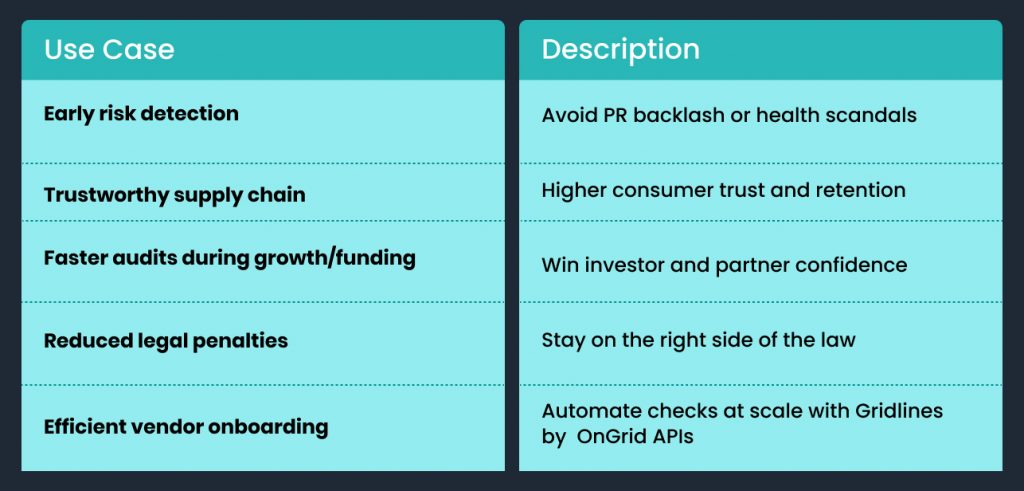
Vendor due diligence helps your business stay audit-ready, consumer-safe, and legally compliant.
Here’s how due diligence adds long-term value:
Final Thoughts: Build Trust Before Speed
Fast commerce is not so much about how fast you deliver—it’s about how responsibly and safely you do so.
The hygiene controversy that this top instant delivery platform was hit with was preventable. But only if they’d done due diligence from the beginning.
If you’re in the game of delivering quickly, ensure that your backend operations—vendors, warehouses, personnel—are vetted, compliant, and regularly inspected.
Because speed creates convenience, but trust creates brands.
Make OnGrid your business partner to construct a safe, authenticated, and compliant vendor environment. Whether you do business in five cities or fifty, our solutions, ranging from in-house audits to criminal investigations, can enable you to establish trust at all levels.
Check out Physical Due Diligence Services
FAQs
1. What is vendor due diligence and why is it important?
Vendor due diligence is the process of thoroughly evaluating third-party vendors before and during partnerships. It helps businesses ensure that their vendors are legally compliant, ethically sound, and operationally fit to maintain service quality and brand trust.
2. How does vendor due diligence prevent hygiene or safety issues?
By conducting physical inspections, license checks, and compliance audits, vendor due diligence helps catch red flags—like poor hygiene, unsafe handling practices, or expired certifications—before they can lead to regulatory violations or reputational damage.
3. Is vendor due diligence mandatory in quick commerce or e-commerce sectors?
While not always legally mandated, it’s becoming a business essential—especially in sectors handling food, health, and consumer goods. Failing to verify vendors can result in FSSAI violations, public backlash, or business losses.
4. What kind of checks are included in OnGrid’s vendor due diligence services?
OnGrid’s services cover:
Physical site audits
Geo-tagged visual evidence
FSSAI and municipal license verification
Hygiene and infrastructure assessment
Staff background verification
5. How frequently should vendor due diligence be done?
It’s ideal to conduct due diligence during onboarding and at regular intervals—such as quarterly or bi-annually—especially in high-risk sectors like quick commerce, logistics, or food delivery.






Leave a Reply