
HR 2.0
-
8 Hiring Fraud Trends Every HR Leader Should Watch in 2026
-
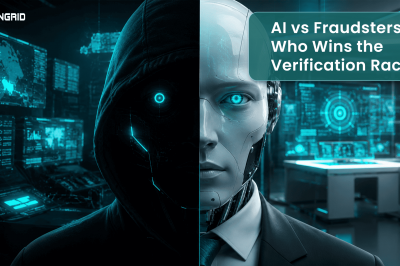
AI vs Fraudsters: Who Wins the Verification Race?
Fraud has always evolved with technology. When businesses shifted online, fraudsters moved online too. Today, with artificial intelligence becoming widely accessible, the game has changed once again. Fake identities, synthetic documents, deepfake videos, voice cloning, and automated phishing attacks are no longer futuristic threats—they’re part of everyday business risk. The question is no longer whether…
-
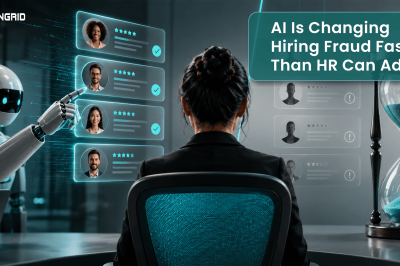
AI Is Changing Hiring Fraud Faster Than HR Can Adapt
Artificial intelligence has transformed recruitment in remarkable ways. Recruiters can source candidates faster, automate resume screening, schedule interviews, and even generate interview summaries within minutes. For HR teams under constant pressure to hire quickly, these innovations have become indispensable. But there is another side to this story that deserves equal attention. The same AI tools…
-

How to Build a Verification SLA That Actually Means Something
There’s a version of a verification SLA that lives in a vendor contract, gets filed away, and surfaces only when someone is pointing fingers after a bad hire. Most organisations have that version. Then there’s the version that actually governs how verification works day to day — the one that tells your ops team what…
-
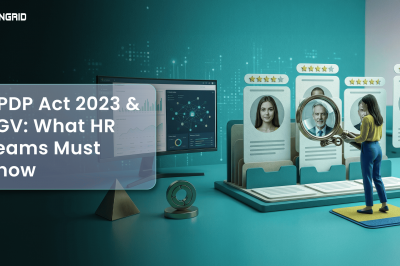
DPDP Act 2023 & BGV: What HR Teams Must Know
Most HR teams in India have spent the last year hearing about the DPDP Act in one of two ways: as a compliance item sitting somewhere on the legal team’s to-do list, or as a vague threat involving large penalties. Neither framing is particularly useful when you’re the one actually running background checks on candidates…
-
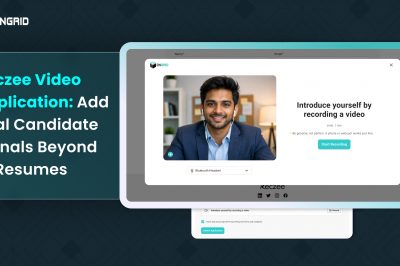
Reczee Video Application: Add Real Candidate Signals Beyond AI Resumes
Resumes Look Perfect. Candidates? Not Always. There was a time when a well-written resume meant something. Today, it still does—but not in the same way. With AI tools everywhere, resumes have become cleaner, sharper, and more keyword-optimized than ever. But that polish often hides more than it reveals. Everyone looks equally good on paper. And…
-
What Is SOC 2 Compliance? A Complete Guide
If you’ve ever been part of a sales call with an enterprise client, you’ve likely heard this question come up at some point: “Are you SOC 2 compliant?” It usually appears somewhere between product demos and pricing discussions. And while it sounds like a technical checkbox, it rarely is. SOC 2 sits at the intersection…
-
HR System Integration Checklist for 2026
HR teams today don’t lack tools—they’re drowning in them. Recruitment lives in one system, payroll in another, attendance somewhere else, and background verification often sits outside the core stack. What should be a smooth employee journey ends up becoming a patchwork of manual updates, follow-ups, and “just checking if this is done.” That’s exactly where…
-
6 Bottlenecks Slowing Down Your Hiring Process
Hiring rarely collapses because of one big problem. It slows down in small, almost invisible ways—an extra approval here, a delayed response there—until timelines stretch and good candidates quietly slip away. Most teams don’t label it immediately, but what they’re really dealing with are hiring bottlenecks. If your time-to-hire keeps expanding or your best candidates…
-

8 Things to Check Before Hiring a Remote Employee
Remote hiring feels efficient—until it isn’t. The biggest mistake most teams make is assuming that if a candidate “looks right” on Zoom and clears a couple of interviews, they’re safe to onboard. They’re not. In a remote setup, you’re giving someone access to your systems, data, customers—and sometimes even money—without ever meeting them. And today,…
Recent Posts
- Employee Screening Checklist for NBFCs, Fintechs and Banks

- Fake Salary Slips and Form 16: How to Verify Salary Documents in India

- Driving Licence Verification for Fleet Hiring
- Background Verification for Freshers: What Can You Verify When There’s No Work History

- Background Verification for Healthcare Hiring: 7 Checks That Go Beyond Certificates

Categories
- Accountability 3
- Address verification 4
- Background verification 127
- BFSI 3
- Case Study 5
- Criminal Verification 19
- Drug test 2
- Due Diligence 34
- Education Verification 11
- eLockr 9
- Employment Verification 32
- Gridlines 4
- HR 2.0 64
- Identity Verification 36
- Industry 4.0 27
- OnGrid 74
- Uncategorized 6
Tags
#AadhaarVerification #BackgroundChecks #Background Verification #BGV #LocalAddressVerification #PoliceVerification #Trust Background check Background Verification background verification process in india bgv BGV in India business due diligence Compliance credit check Digital Identity Digital Onboarding Employee Screening Fraud Prevention Gig Economy hiring compliance HR 2.0 HR Best Practices HR Tech identity verification OnGrid physical due diligence Remote Onboarding vendor due diligence Verification