

-
Trust as a Business KPI: Why Verification Is Moving from HR to the Boardroom
For a long time, verification sat quietly in the background of business operations. It was an HR task. A pre-joining formality. Something handled after the offer letter was signed and before the employee’s laptop was issued. Important, yes — but rarely strategic. That has changed. Today, trust is no longer a soft value or a…
-
The Role of Consent Architecture in Modern Digital Verification Systems
A decade ago, “I agree” was just a button people clicked without reading. Today, that tiny moment of consent sits at the center of some of the most sensitive decisions in the digital world — who gets a job, who gets a loan, who gets access to a service, who is allowed into a platform.…
-
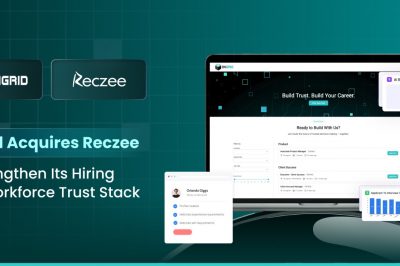
OnGrid Acquires Reczee to Strengthen Its Hiring and Workforce Trust Stack
OnGrid, a leading digital trust and background verification platform, today announced the acquisition of Reczee, a recruitment technology company offering an agentic Applicant Tracking System (ATS). The acquisition marks a strategic step in OnGrid’s broader effort to strengthen how organizations manage trust, accountability, and compliance across the employment lifecycle. As hiring becomes faster, more distributed,…
-
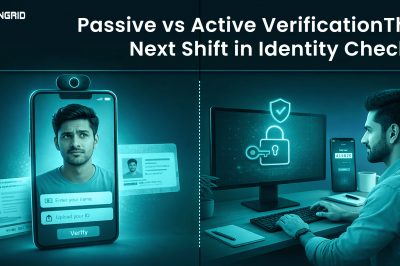
Passive vs Active Verification: The Next Shift in Identity Checks
A few months ago, a friend told me about a strange experience while opening a new investment account. He filled out a long form, uploaded his documents, recorded a selfie video, waited for a verification call — and then was told to redo one step because the lighting wasn’t “clear enough.” By the end of…
-
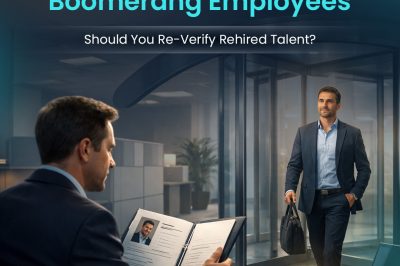
Boomerang Employees: Should You Re-Verify Rehired Talent?
There’s a special kind of email that lands in an HR inbox and instantly changes the mood of the day: “Hi, I’d love to explore opportunities to come back.” It’s a former employee. Someone who knows the systems, the culture, the inside jokes about the temperamental office printer. A “boomerang employee.” And in today’s job…
-
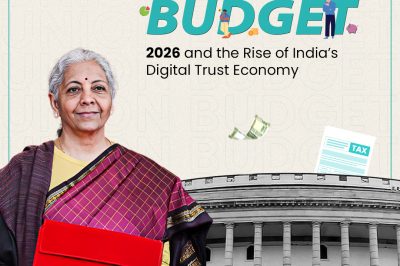
Union Budget 2026 and the Rise of India’s Digital Trust Economy
When most people read the Union Budget, they look for big numbers — allocations, tax changes, sector incentives. But some of the most important shifts are structural. They signal where the country is headed, not just where money is going. The 2026 Union Budget was one of those moments. Beneath the surface, it highlighted a…
-
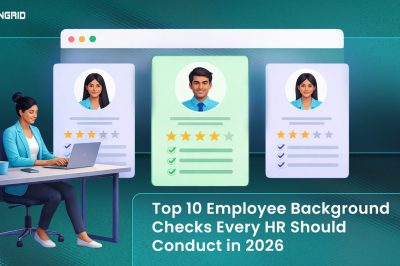
Top 10 Employee Background Checks Every HR Should Conduct in 2026
Hiring the right talent has always been a critical task for any organization. But in today’s fast-paced, hyper-connected world, hiring mistakes don’t just affect internal operations — they can impact brand reputation, customer trust, and even legal compliance. That’s why employee background checks have moved from being optional to absolutely essential. As we step into…
-
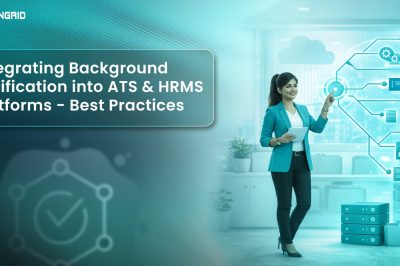
Integrating Background Verification into ATS & HRMS Platforms – Best Practices
Talk to any recruiter on a busy Monday morning and you’ll hear the same frustration. “Offer accepted… now the real work starts.” Spreadsheets come out. Emails go back and forth with the background verification vendor. Candidate details get copied from the ATS into another system. Someone realizes a phone number was entered wrong. The candidate…
-
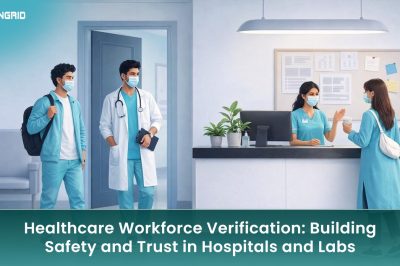
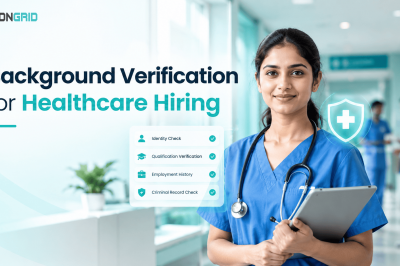
Healthcare Workforce Verification: Building Safety and Trust in Hospitals and Labs
Walk into any hospital and you’ll see controlled chaos that somehow works. Nurses moving quickly between beds. Lab technicians handling samples with quiet focus. Doctors making decisions that carry enormous weight. Behind every smooth shift is something patients never see — a workforce that has been trusted, vetted, and cleared to be there. In healthcare,…
-
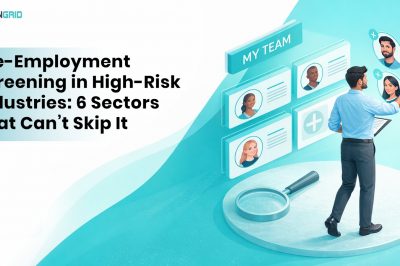
Pre-Employment Screening in High-Risk Industries: 6 Sectors That Can’t Skip It
There was a time when background checks were treated like a formality — something HR did quietly after the offer letter went out, mostly to tick a compliance box. That time is over. Today, hiring mistakes don’t stay inside office walls. They spill into customer trust, regulatory scrutiny, brand reputation, and sometimes even public safety.…